

Print Lamination: Types, Protective Finishes, and Aesthetic Value
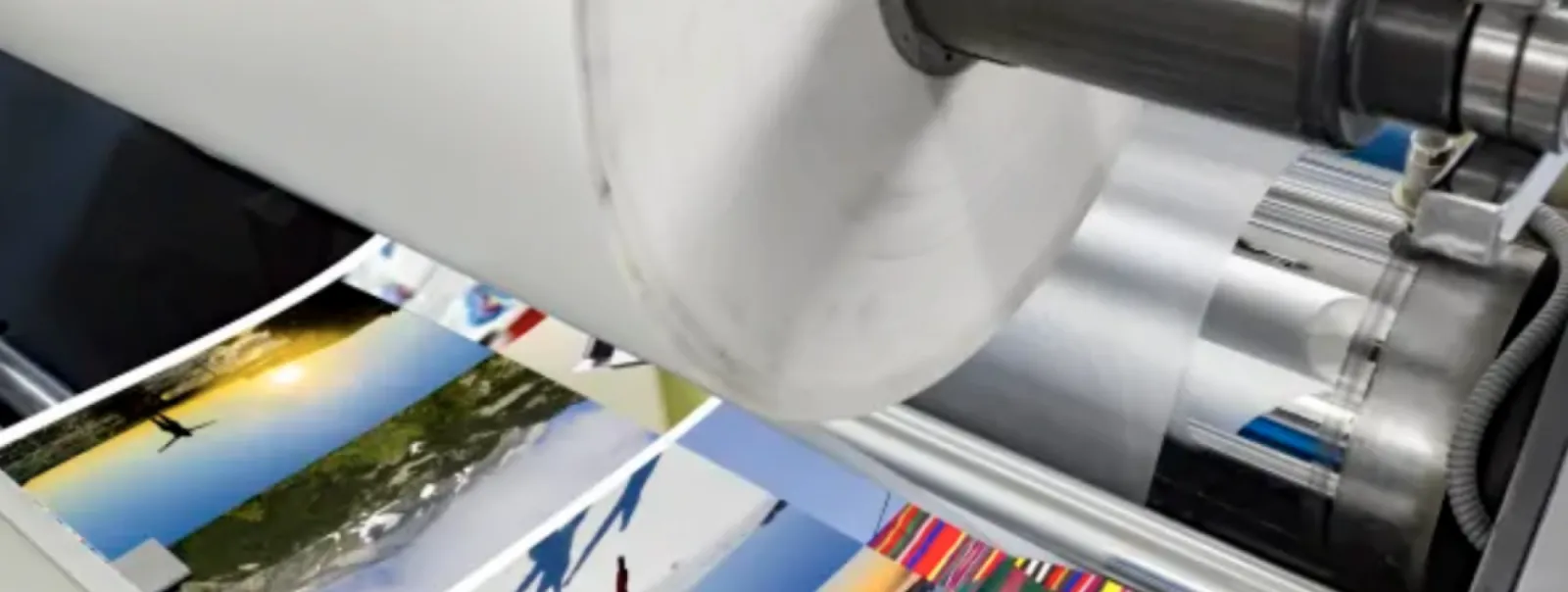
Lamination is a service to protect and improve the appearance of printed products. The method consists in applying a thin protective layer to the surface of the document, making it smooth and neat.
There are different types of lamination, including glossy, matte and semi-matte:
- Glossy gives a brilliant effect, increasing the brightness of colors and making them more saturated;
- Matte, on the contrary, creates a matte surface that does not reflect light, providing a more natural look;
- Semi-matte lamination combines the properties of both types, creating a discreet shine.
When lamination is used
Lamination is usually used for the following types of printed products:
- Promotional materials. Brochures, posters, catalogs and other promotional materials are often laminated to protect them from wear and tear. This is especially important because promotional materials are often processed and passed from hand to hand;
- Publications and books. Book covers and publications are often laminated to avoid wear and tear for longer and preserve the quality of the publication over time;
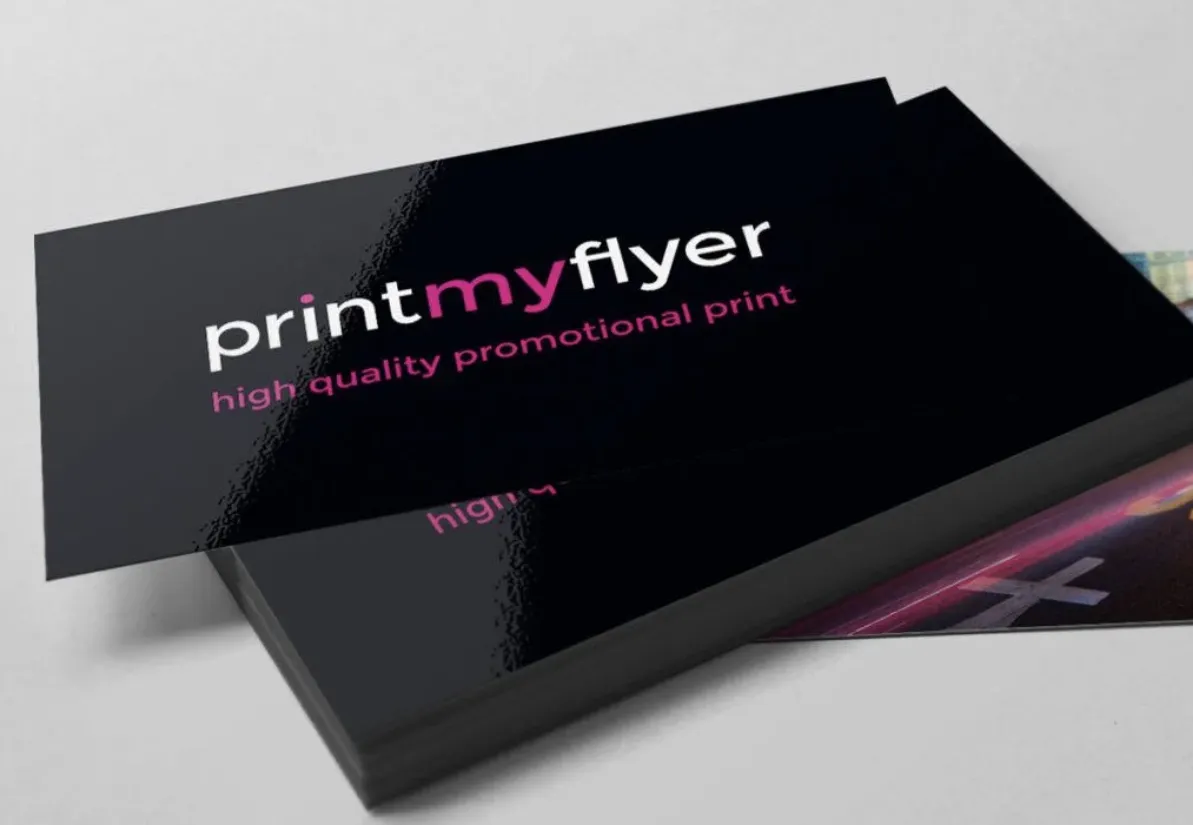
- Business cards and other documents. Business card printing with lamination adds durability to business cards and other important documents, reducing the chance of them being damaged or soiled by everyday use.
Almost any type of printed product can be subjected to the lamination process. This covers printing on paper, cardboard, photographic paper, as well as special materials for large format printing. Lamination is a universal way of protecting and improving the quality of any type of printed product.
Features of lamination
Lamination is a process that has several important features that make it an important element in protecting and improving the quality of printed products. Its stages:
1. Preparation of material.
It can be any document, from brochures to book covers or posters. The printed material is placed between two layers of laminate.
2. Transfer through laminating machine.
Next, the material is fed through a laminating machine. It has rolls of thin film (laminate) that are heated to become soft and pliable.
3. Combining layers.
As the material passes through the machine, the heated film melts and fuses with the surface of the document. Embossing and heat bond the layers together to form a single protective layer.
4. Cooling and drying.
After passing through the laminating machine, the laminated material passes through a cooling region to harden the film. This ensures that the laminated document becomes stable and ready for use.
5. Cutting and processing.
The last stage consists in cutting and processing the laminated material to the required dimensions. This may include cutting edges, rounding corners, or other procedures to complete the product.
6. Finished product.
After all these steps, the finished laminated material is ready for use. Its protected surface allows the material to be more stable and stable, maintaining its quality and appearance for longer.
The process varies depending on the type of machine and materials, but the general process is to combine the film with the printed material to create a durable and protective layer.
Advantages and disadvantages of lamination
When deciding whether to order product lamination, we advise you to review the pros and cons of this method.
Advantages:
- The main advantage of lamination is protection. It makes documents and materials resistant to scratches, moisture, pollution and wear, providing them with duration and durability;
- Aesthetics and visual effect. It enhances colors, adds depth and shine, which makes printing more attractive and professional;
- Ease of care. The surface is easy to clean and stays clean for a long time without losing color vibrancy or print quality.
Cons:
- Costs. The service will increase the cost of printing services.
- Restrictions on changes. After lamination, it is difficult to make changes to documents because it requires special procedures.
Printing house in Dnipro "Dneprograf" offers a lamination service at a competitive price. In addition, you can order other types of printing and post-printing processing and design from us.
Contact us, and you will receive one hundred percent quality work in the fastest time.
Read also
Restaurant Menu Types & Formats: Comprehensive Guide for Hospitality
In the world of culinary excellence and customer service, menu selection is not just the act of creating a list of dishes, it is an art that can affect the overall…

Self-Adhesive Vinyl Film Printing: Types, Advantages, and Applications
Self-adhesive film provides endless possibilities for creating creative and informative printed products.
Designer Paper for Printing: What It Is and How to Use It
Design paper is a special material used in the field of graphic design and printing to create visually attractive and high-quality products.

Vehicle Decals & Car Graphics: Effective Mobile Advertising
Car stickers are an effective way to express your personality, advertise your business or support your patriotic beliefs.