

Self-Adhesive Labels: Advantages, Types, and Specifications
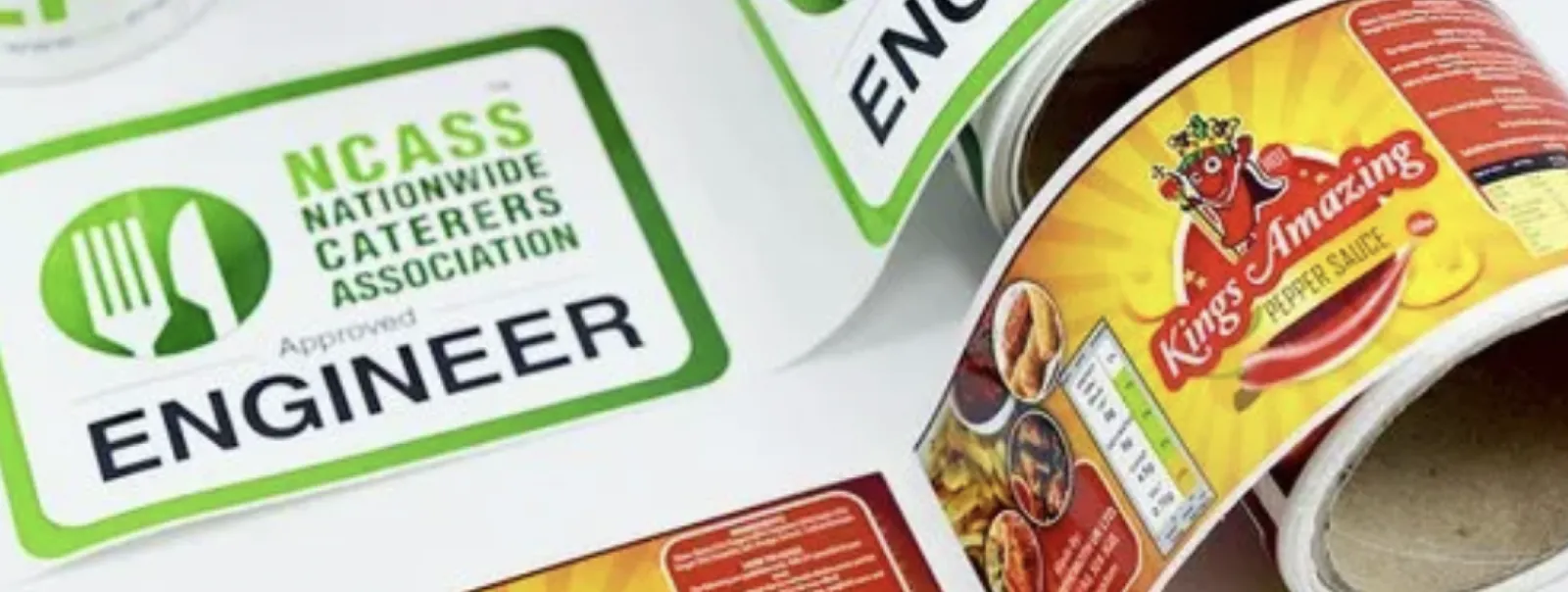
Self-adhesive labels are a universal solution for product labeling and packaging, which is popular in the most diverse areas of business: from the food industry to pharmaceuticals and cosmetics. They allow you to quickly and without additional effort put the necessary information on the package, ensuring its aesthetic appearance and convenience for consumers.
Advantages of using self-adhesive labels
- Ease of application. Labels with an adhesive base are easily and quickly applied to any surface: glass, plastic, cardboard, metal. You will not need additional equipment or glue - it is enough to remove the protective layer and stick.
- Universality of application. Self-adhesive labels are suitable for different types of products: packaging, bottles, cans, boxes and even textiles.
- Saving time and resources. With their help, you can significantly speed up the product labeling process, which is especially important for companies with large production volumes.
- A wide selection of designs. Modern technologies allow you to create labels of any shape, size and style, which makes it possible to make packaging unique and memorable.
Functionality. Self-adhesive labels can perform several tasks at once:
- Designation of the composition and characteristics of the product.
- Placement of information about the brand.
- Indication of expiration date and storage conditions.
- Use as seals or protective stickers.
- Accuracy. The glue is evenly distributed over the surface, so the label is applied smoothly and neatly, creating a presentable appearance of the products.
Examples of use
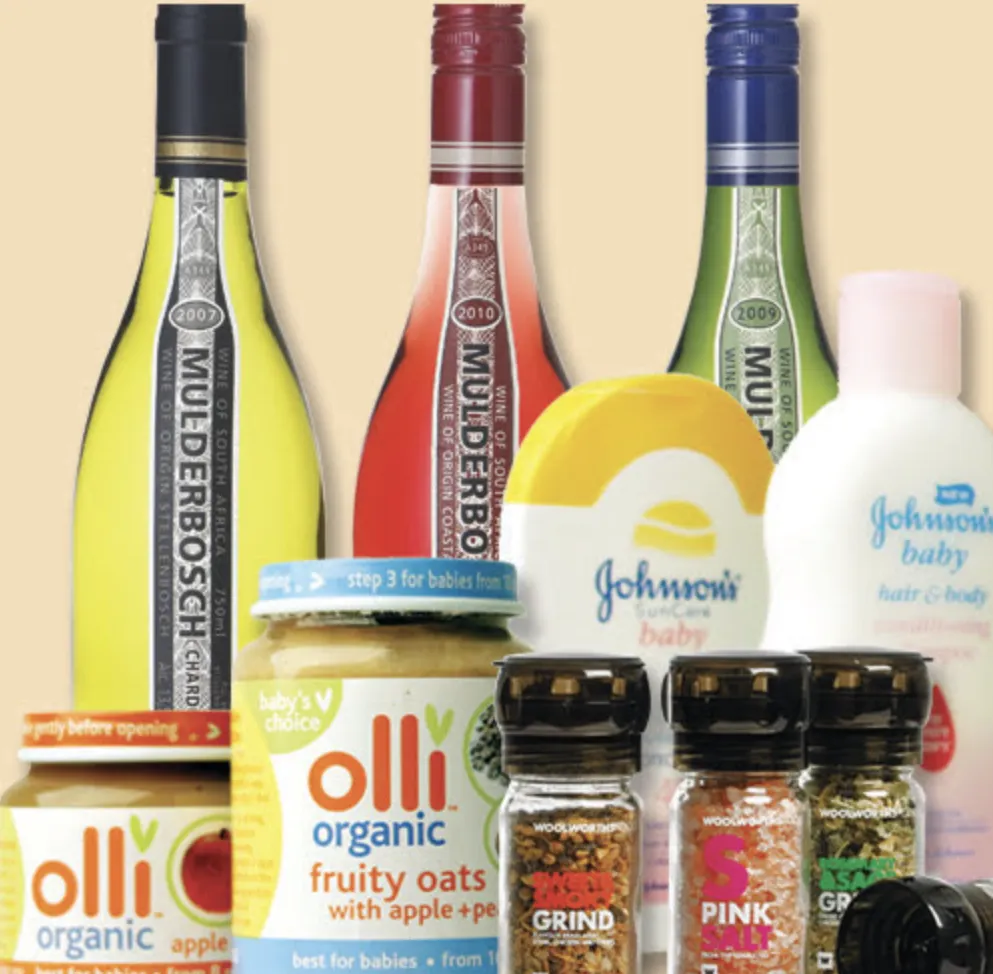
- For food products. Labels with information on composition, weight and expiration date.
- For cosmetics. Labels with logo and product characteristics.
- For drinks. Bright stickers for bottles that make the product more visible on the shelves.
- For pharmaceuticals. Labeling of medicines and medical devices.
Self-adhesive label production technology
The production process of self-adhesive labels includes several stages:
Choice of basis. A special multilayer self-adhesive film or paper consisting of three layers is used:
- Front part (label material): can be glossy, matte or textured paper, synthetic film (PP, PE, PET) or metallized materials.
- Adhesive layer: provides reliable fastening on various surfaces (ordinary, reinforced or removable glue).
- Liner: siliconized paper or film that protects the adhesive layer until the time of gluing.
Label printing. Depending on the requirements for image quality and production volumes, different label printing technologies are used:
- Flexographic printing: suitable for large runs, provides bright and stable colors.
- Digital printing: optimal for small batches of personalized stickers.
- Thermal transfer and thermal printing: Used to print variable information such as expiration dates or barcodes.
- Cutting and die-cutting. They give the labels the required shape (round, oval, curly).
- Lamination or varnishing. Protect labels from moisture, mechanical damage and burning.
Materials for self-adhesive labels
Labels are made of different materials, depending on the operating conditions:
- Paper: a popular option for food and beverage packaging.
- Film (PET, PVC, PP, PE): used for goods exposed to moisture, chemicals or friction.
- Metallized: give a premium look, are more often used in the cosmetic industry.
Self-adhesive labels are not just a means of labeling, but also an effective tool for promoting your brand. They help distinguish products from competitors, provide convenience for consumers and meet regulatory requirements.
If you are looking for a reliable and practical solution for your products, order printing on self-adhesive film in the printing house "Dneprograf". We will fulfill your order as soon as possible.
Read also

Successful Print Campaigns: 12 Global Brand Case Studies
Real examples show how companies effectively use printed products.
Holiday & New Year Corporate Printing for Business
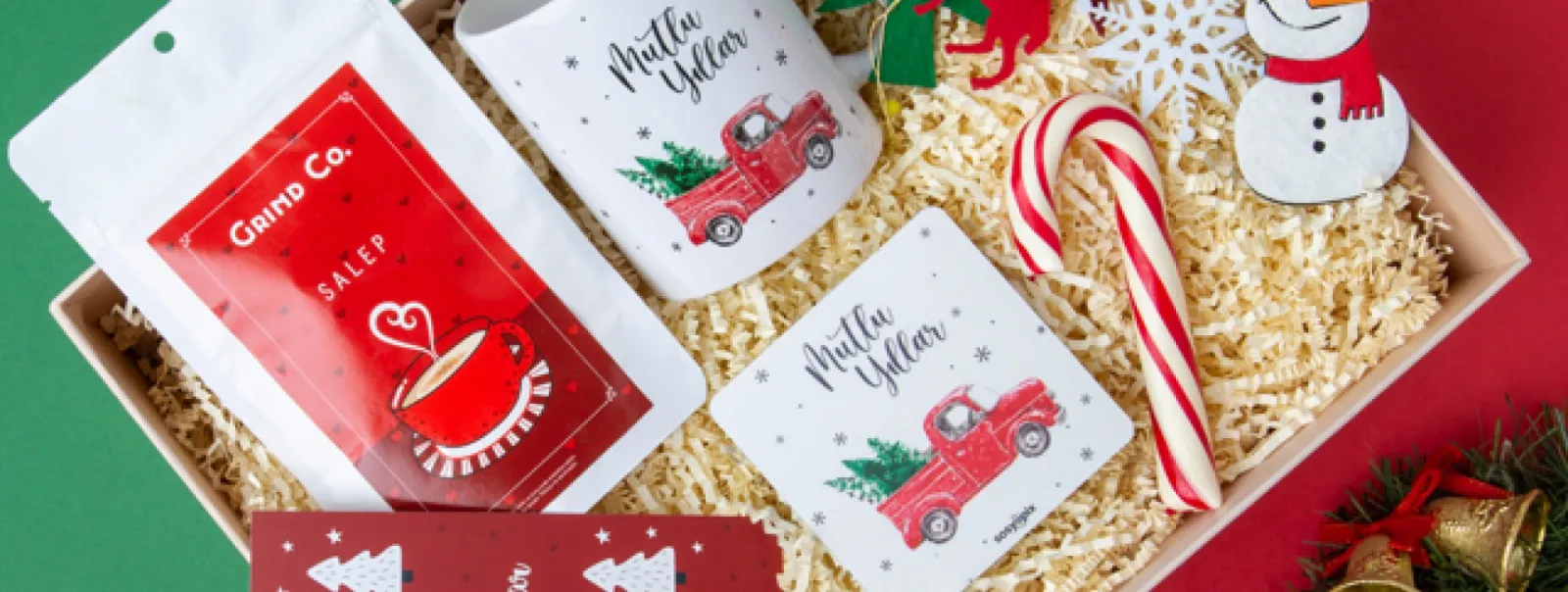
The New Year is an important period for business, when companies have the opportunity to strengthen relations with customers, implement holiday promotions.
Shelf Wobblers: What They Are, Types, and Retail Power
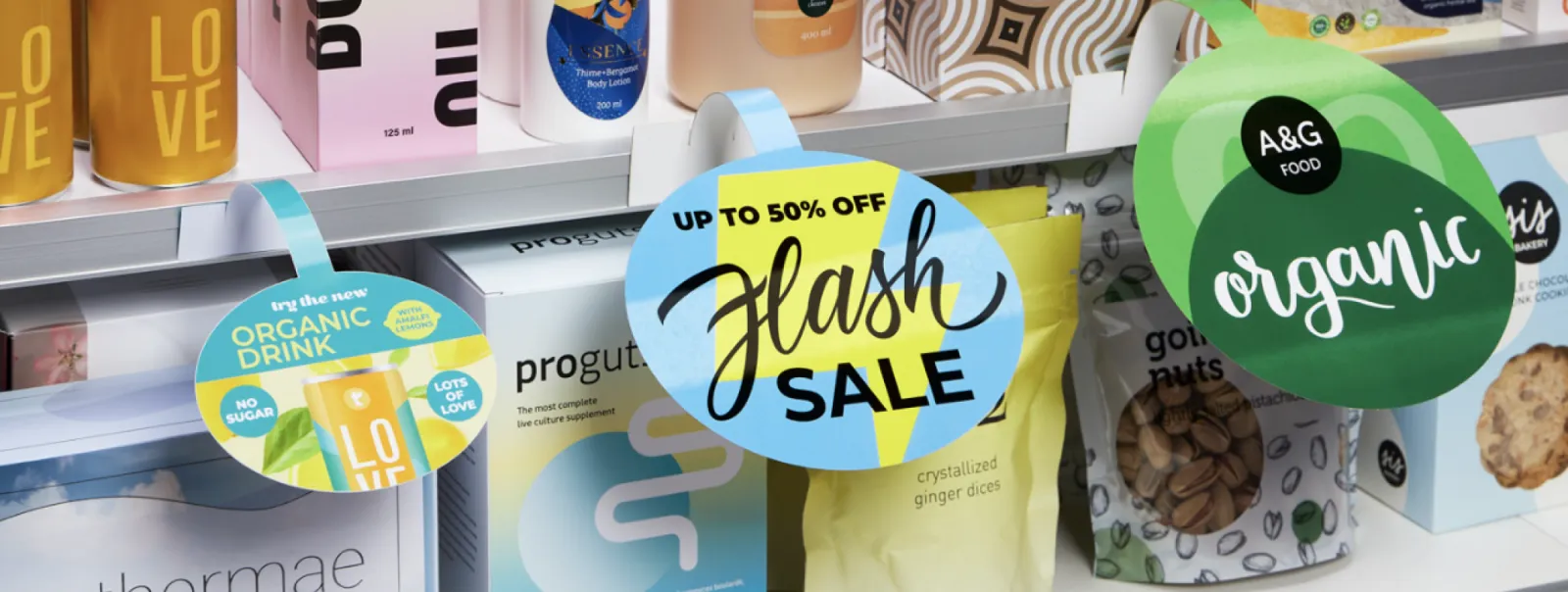
Wobblers are small advertising elements that are attached to shelves, showcases or racks with goods and slightly oscillate (hence the name) due to air movement.
Custom Sticker Pack Printing for Business & Promotion
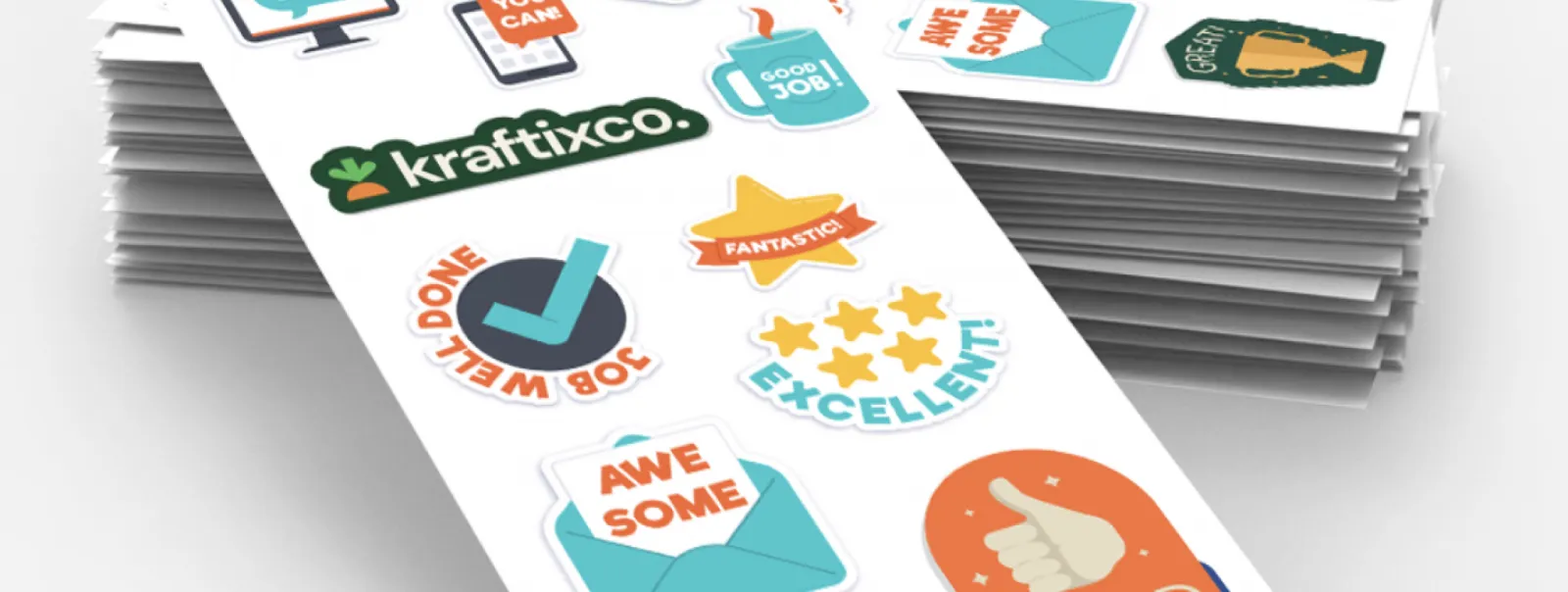
Sticker packs are sticker packs that contain several individual stickers, often grouped together by theme or design style.