

Graphic Design for Print: How to Make Printed Products Attractive
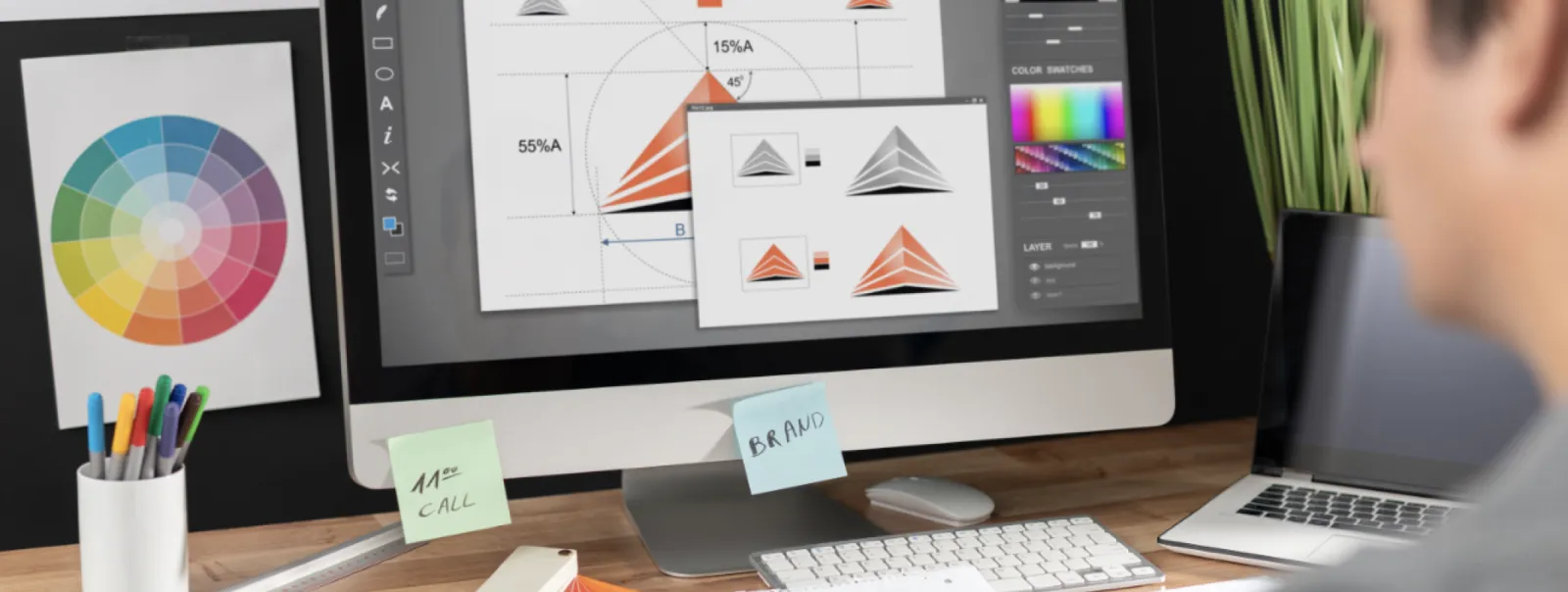
In the conditions of the modern market, where visual images play a key role in communication with the consumer, the design of printed products becomes a powerful marketing tool. An attractive and thoughtful design can significantly increase interest in your product, attract new audiences and strengthen your brand.
The main elements of the design of printed products
Color
- Color Meaning: Colors evoke certain emotions and associations. For example, blue is often associated with trust and reliability, red with energy and passion, green with nature and health. Choose colors that match your brand and message.
- Color contrast: Contrasting colors help highlight key elements and make text more readable. Use contrast to draw attention to important information.
Type
- Font selection: Fonts should be legible and match your brand style. Combining two or three fonts of different types (for example, one for headings, another for body text) will help create a harmonious and professional design.
- Size and Spacing: Make sure the font size is large enough for easy reading, and the spacing between lines (line spacing) allows the text to be read comfortably. If you need help in developing a design, contact us printeri
Images and graphics
- Image quality: Use only high-quality, high-resolution images. Low-quality photos or graphics can negatively affect the perception of all printed products.
- Relevance: Images should support the text and be relevant to the content. They should help convey your message and evoke the right emotions.
Layout and composition
- Balance and Symmetry: Maintaining balance and symmetry in design helps create an aesthetically pleasing look. Arrange elements to create a harmonious and balanced perception.
- White space: Don't fill the entire layout with text and graphics. Leave enough white space to create lightness and improve readability.
Branding
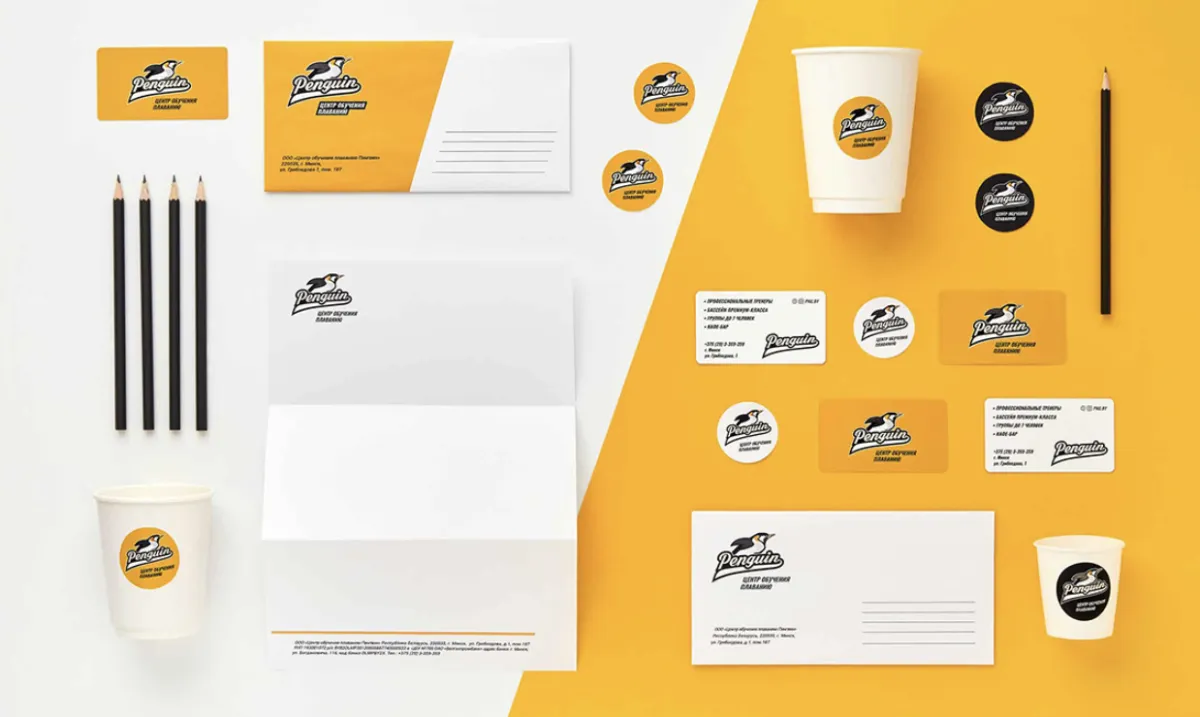
- Logo and corporate identity: Use logo and corporate identity elements (colors, fonts, graphic elements) to maintain a unified brand image.
- Consistency: All printed materials should be consistent in design to maintain brand awareness.
Advice on the design of printed materials
1. Understanding the target audience
Before you start designing, it's important to understand who your target audience is. What are their preferences, interests and needs? The design should meet the expectations of your audience.
2. Create a strong headline
The headline is the first thing your customer sees. Make it attractive, clear and informative. Use large font and contrasting colors to stand out.
3. Focus on key information
Prioritize the information you want to convey. Important elements should be highlighted, and secondary information may be less prominent. Use bullets, subheadings, and highlights to structure your text.
4. Use of original elements
Include unique graphic elements, illustrations or photos in the design that reflect the individuality of the brand. Be it business card printing, flyers or stickers - this will help you stand out from the competition and create a memorable image.
5. Testing and editing
Test the design on different media and with different audiences. Make the necessary edits to ensure your content is perceived exactly as you intended.
Print design is art and science at the same time. A thoughtful design can not only attract attention, but also significantly increase the effectiveness of your marketing efforts. By following the guidelines above, you can create printed materials that will attract and retain the attention of your audience, strengthening your connection with customers and maintaining a positive brand image.
Read also

POS Printing for Supermarkets & Retail Stores
In retail marketing, a variety of POS materials play a key role in attracting customers' attention, product awareness and purchase incentives.
Branded Business Souvenirs & Corporate Promotional Gifts
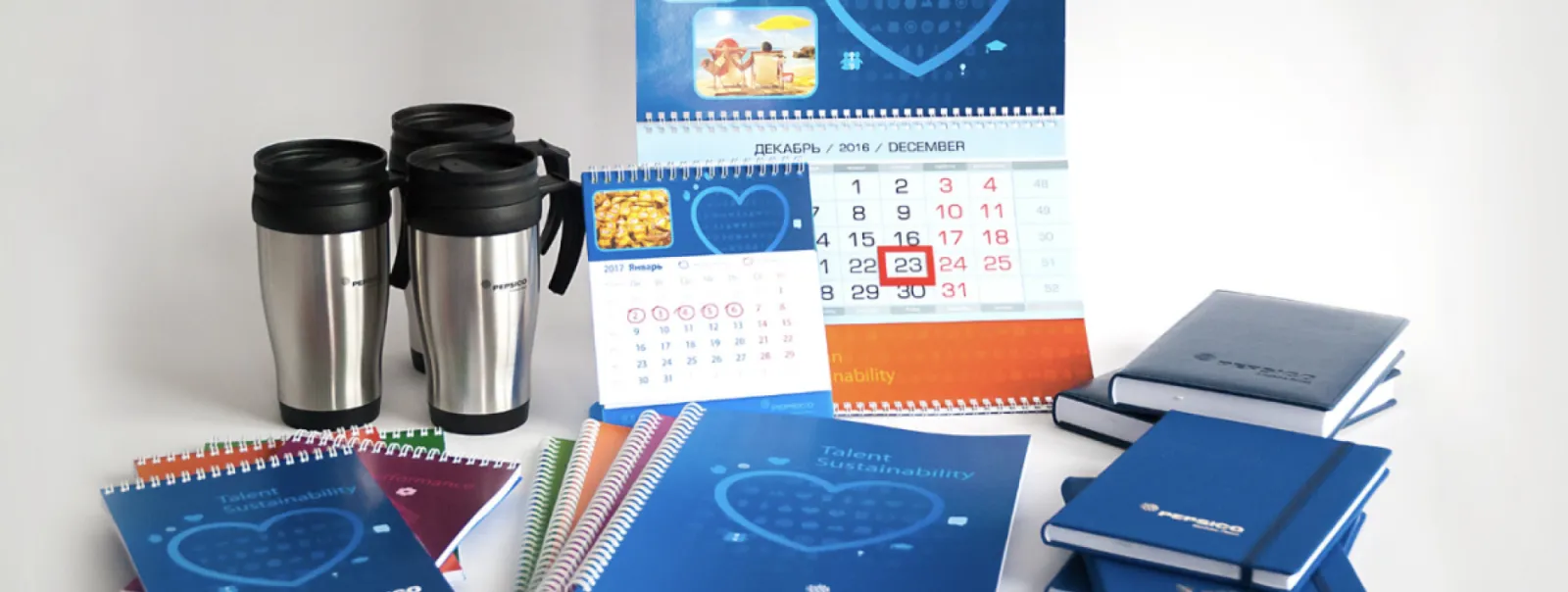
Business souvenirs with a logo are an effective and stylish way to emphasize the uniqueness of your brand and attract the attention of customers and partners.
Color Proofing: What It Is and Why You Need It Before Printing
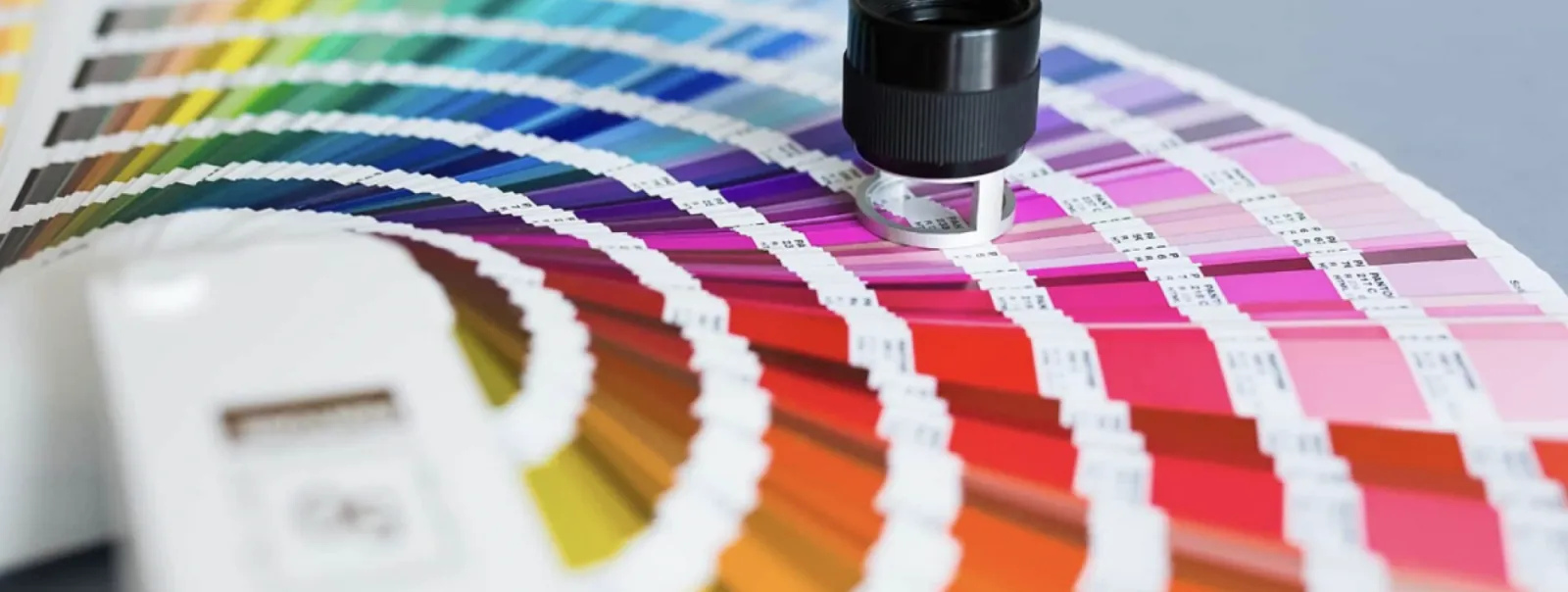
A color proof is an integral part of the process of manufacturing printed products, which allows you to check shades and reproduce the exact color spectrum of printing.
Digital Laser Printing: Advantages, Capabilities, and Use Cases
Even in our completely digital age, printed materials do not lose their popularity.