

Color Proofing: What It Is and Why You Need It Before Printing
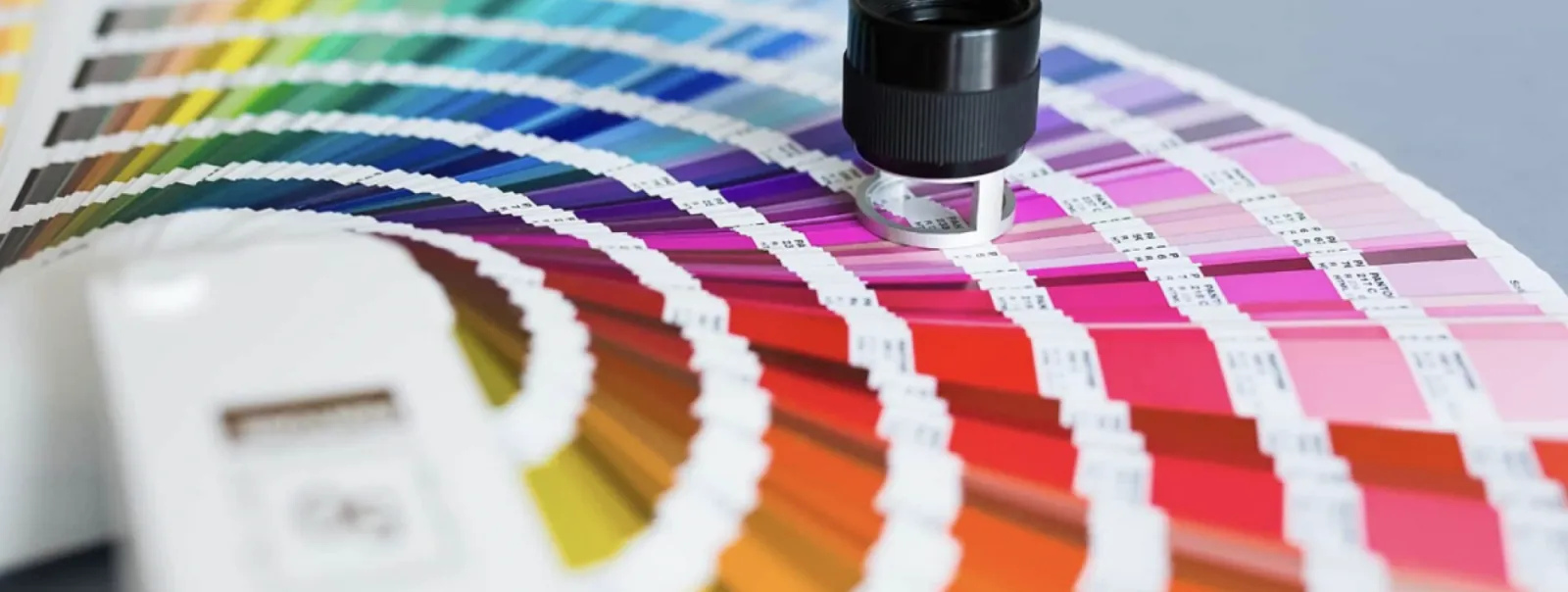
A color proof is an integral part of the process of manufacturing printed products, which allows you to check shades and reproduce the exact color spectrum of printing. There are various types of color proofs used in printing to ensure accurate and high-quality reproduction of colors in print. Modern printing mainly works in color, but the image created on smartphone screens and different monitors may differ from the real print due to different color settings and technical characteristics.
It is for this purpose that various methods of color testing are used, including:
- Analogue color tests. The method includes manual application of primary colors (yellow, blue, black, magenta) on a special plastic film. This is a long and expensive process, and the result depends on the skill of the artist;
- Machine for test printing. This method looks more high-quality because a machine is used to create a raster image. However, its cost is quite high, since one-time offset printing is used.
There is another method of color proofing, which is worth mentioning separately, and which we successfully use at the Dneprograf print house.
Digital color test
Digital color proofs are the most common and affordable option. They are based on the color scheme taken from the American Pantone catalog. Designers select the optimal combination of simple colors to achieve the necessary expressiveness. Triad colors or the well-known RGB system, which includes red, green and blue shades, can also be used as a basis. Digital color proofs are created using high-quality inkjet printers.
Pre-press preparation
Prepress preparation is a process of preparing materials, which includes a number of operations to ensure high-quality and efficient printing. The main goal is to ensure the correct appearance and quality of printing on the device.
The stages of preparation include:
- Color correction;
- Taking into account potential problems during printing, such as trapping (partial overlap of one color with another), achieving the desired color saturation and avoiding raster gaps;
- Image layout;
- Writing a PS file;
- Rasterization;
- Output of films and printed forms.
Usually, the first four stages are the main ones, since not every prepress studio is equipped to produce films and forms. This is important to take into account, because the output of films and forms already belongs to the competence of the operator of the output device. Thus, the processes of rasterization and production of films and forms become an integral part of the printing process.
Attention to detail during color proofing opens the door to the development and refinement of design ideas. Designers can experiment with different color palettes and variations, ensuring that the final product is exactly what they intended.
Dneprograf offers various pre- and post-printing services that guarantee the production of effective advertising materials. You need printing of labels and stickers in Dnipro or production of catalogs or a brochure - we are waiting for your request, and we assure you of fast and high-quality execution of the order.
Read also
Digital Laser Printing: Advantages, Capabilities, and Use Cases
Even in our completely digital age, printed materials do not lose their popularity.
Print Lamination: Types, Protective Finishes, and Aesthetic Value
Lamination is a service to protect and improve the appearance of printed products.

Restaurant Menu Types & Formats: Comprehensive Guide for Hospitality
In the world of culinary excellence and customer service, menu selection is not just the act of creating a list of dishes, it is an art that can affect the overall…

Self-Adhesive Vinyl Film Printing: Types, Advantages, and Applications
Self-adhesive film provides endless possibilities for creating creative and informative printed products.