

How to Choose the Right Paper for Business Card Printing
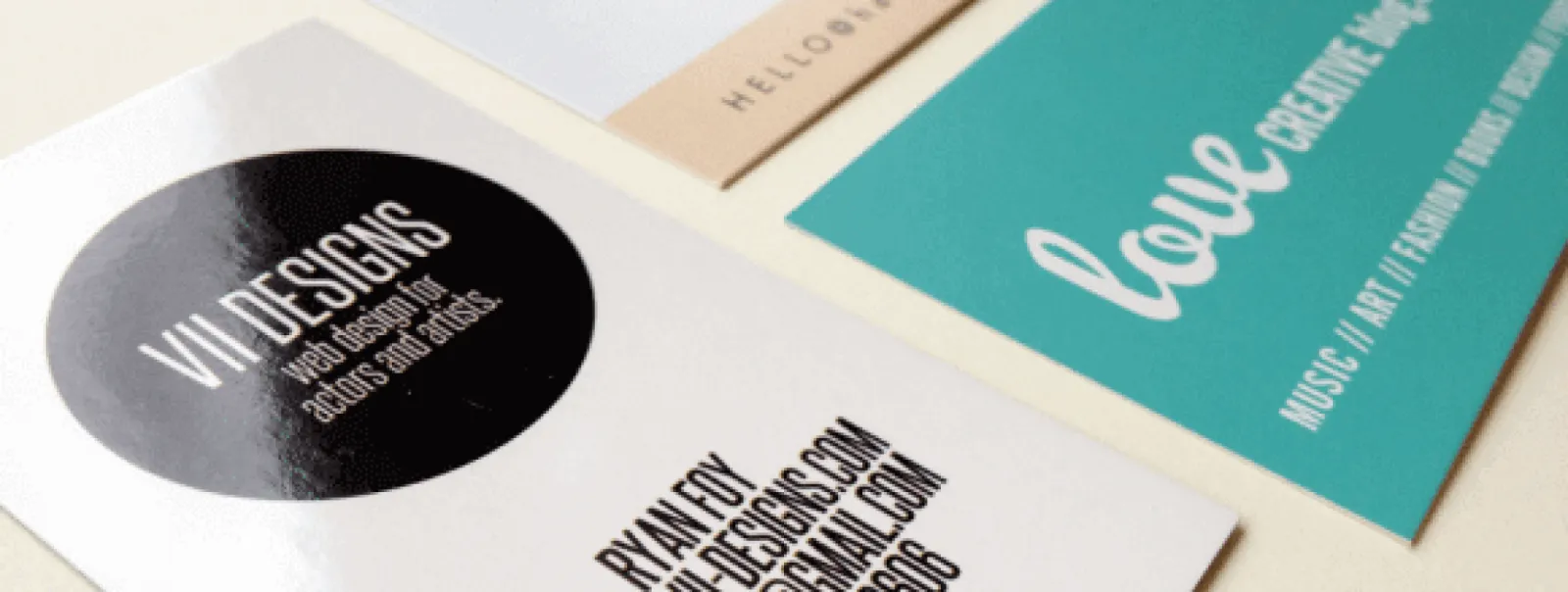
A business card is not just a means of conveying contact information, but an important element of corporate style that creates the first impression of your business. The quality of a business card largely depends on the choice of paper, so it is worth paying attention to this issue. In this article, we will consider the main criteria and types of paper for business card printing, and we will also give practical advice that will help you make the right choice.
1. Determine the purpose of the business card
Before choosing paper, it is worth understanding for which audience and in which context the business card will be used:
- Business cards for corporate clients require a strict, concise design.
- Creative business cards for representatives of creative professions can afford experiments with texture and decoration.
- Premium business cards should emphasize status and high quality, which is often achieved with denser and more effective materials.
2. Basic parameters of paper selection
When choosing paper for printing business cards, it is important to consider the following characteristics:
- Density and weight: The higher the density (weight), the stronger and more solid the business card feels. Paper with a density of 300 to 400 g/m² is usually used for business cards.
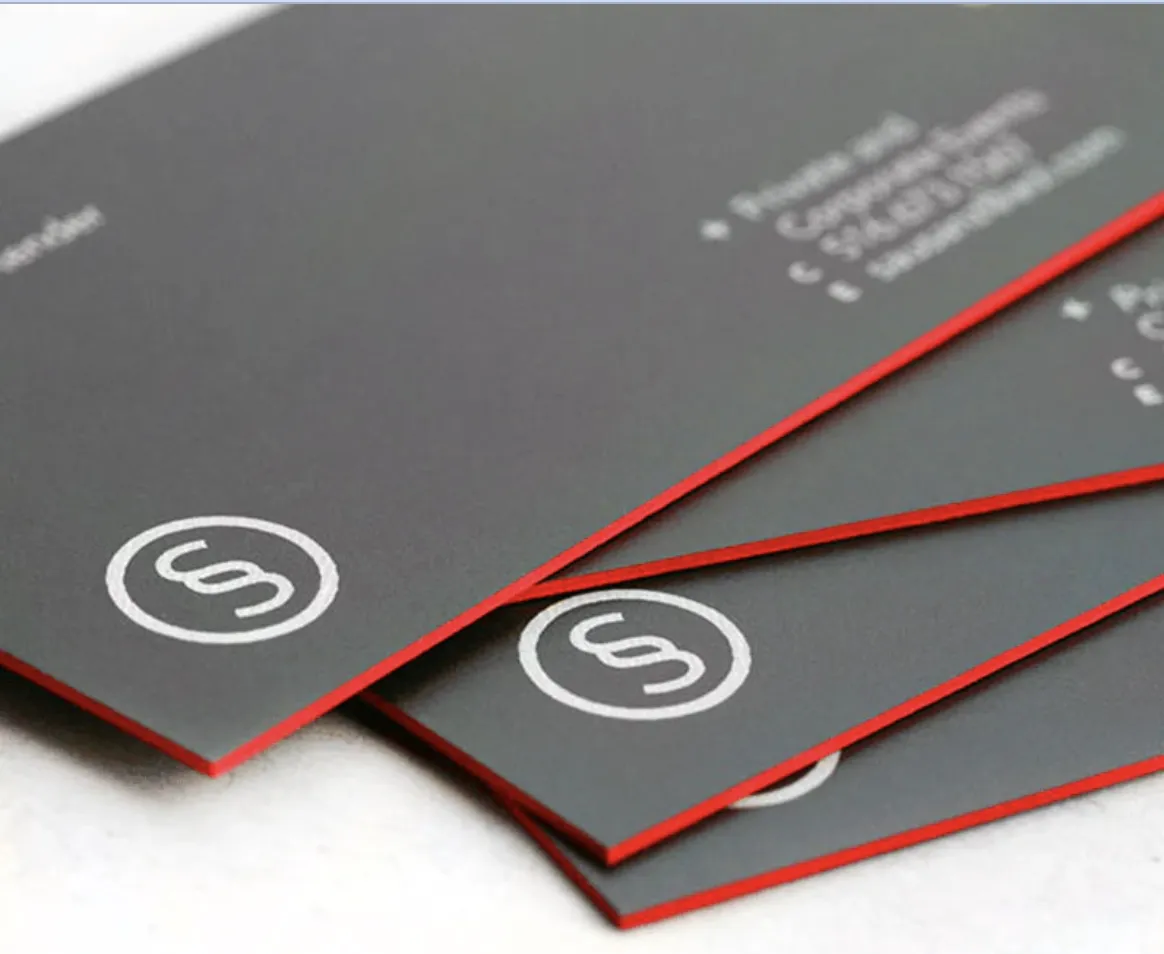
- Thickness: Thick and firm business cards create a premium feel, but also come at a higher price. The choice depends on the budget and image of the company.
Surface: It is important to decide whether you want a smooth, matte, glossy or textured surface. Glossy business cards look bright and modern, and matte business cards look stylish and restrained.
3. Types of paper for business cards
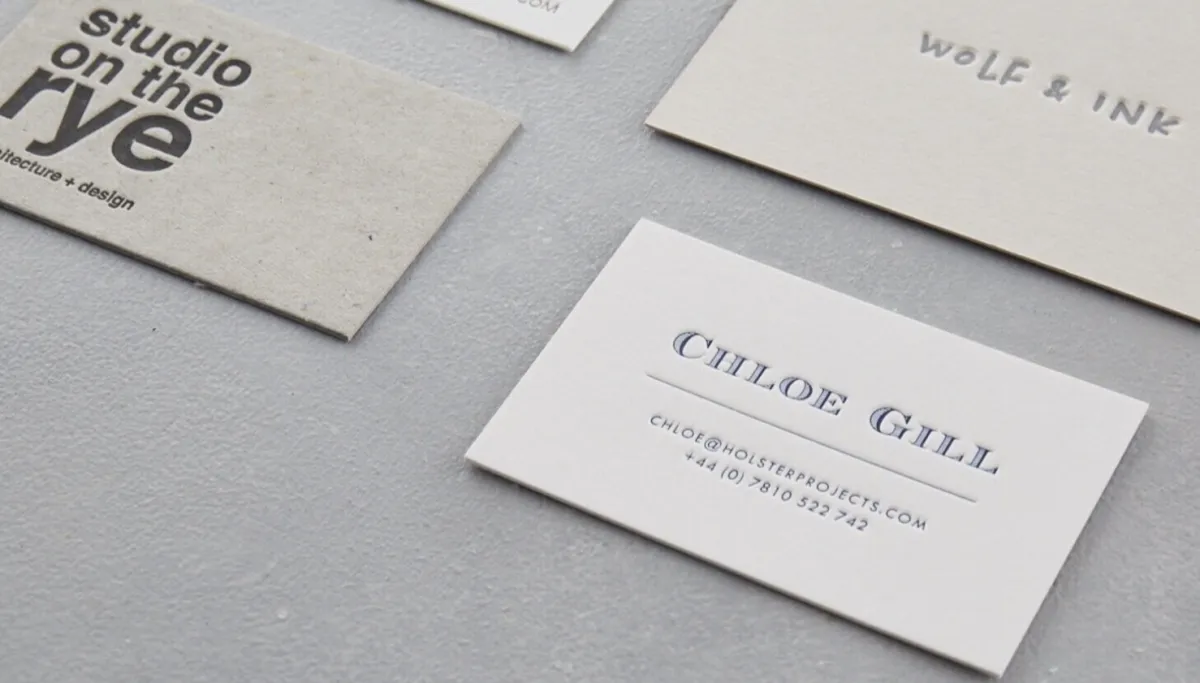
- Chalked paper. High-quality material with a smooth coating that provides excellent color rendering and clarity of details. This type of paper is ideal for creating corporate business cards, where both aesthetics and high print quality are important.
- Kraft paper. Suitable for brands that want to emphasize environmental friendliness and naturalness.
- Laminated paper. Allows you to add additional protection and create a spectacular glossy or matte finish.
- Textured paper. Using designer paper, paper with an embossed surface such as linen or wood effect helps to stand out and create a tactile impression.
- Triplex. material from three layers of cardboard. Due to the use of several layers, such business cards are characterized by increased resistance to wear and tear and give a feeling of exclusivity.
IN printing company Dneprograf you can order printing of business cards on any of the listed materials. If you need more detailed information and help in choosing paper for printing business cards, contact us by phone or leave a request on the website.
4. Finishing and additional effects
- Matte or glossy finish. The choice depends on the desired visual effect. Gloss will emphasize bright colors, matte finish will add elegance.
- Embossing and foiling. Embossing a logo or decorative elements gives the business card volume and a premium look. Foiling creates the effect of shine and exclusivity.
- Lamination. Protects the business card from moisture and dirt, increasing the service life of the product.
Velvet coating. Gives a unique tactile sensation. The unique texture will emphasize the status of the company.
5. Practical recommendations
- Ask for samples: Before placing a large order, ask the printer to provide samples of the paper of your choice. This will allow you to evaluate print quality, color transfer and tactile sensations.
- Consider the budget: Premium materials cost more, but can significantly increase the perception of your brand. Determine how important it is to you to invest in a more expensive but high-quality paper.
- Cooperation with professionals: Contact experienced designers and printers who will help you choose the optimal solution for your tasks and take into account all the nuances of printing.
Choosing the right paper for printing business cards is an important step in creating a corporate style and forming the first impression about the company. By determining the purpose of the business card and taking into account parameters such as density, processing and environmental friendliness, you can create a business card that not only conveys contact information, but also becomes a powerful branding tool. By investing in quality materials and professional design, you will emphasize the status of your business and attract the attention of potential customers.
Read also
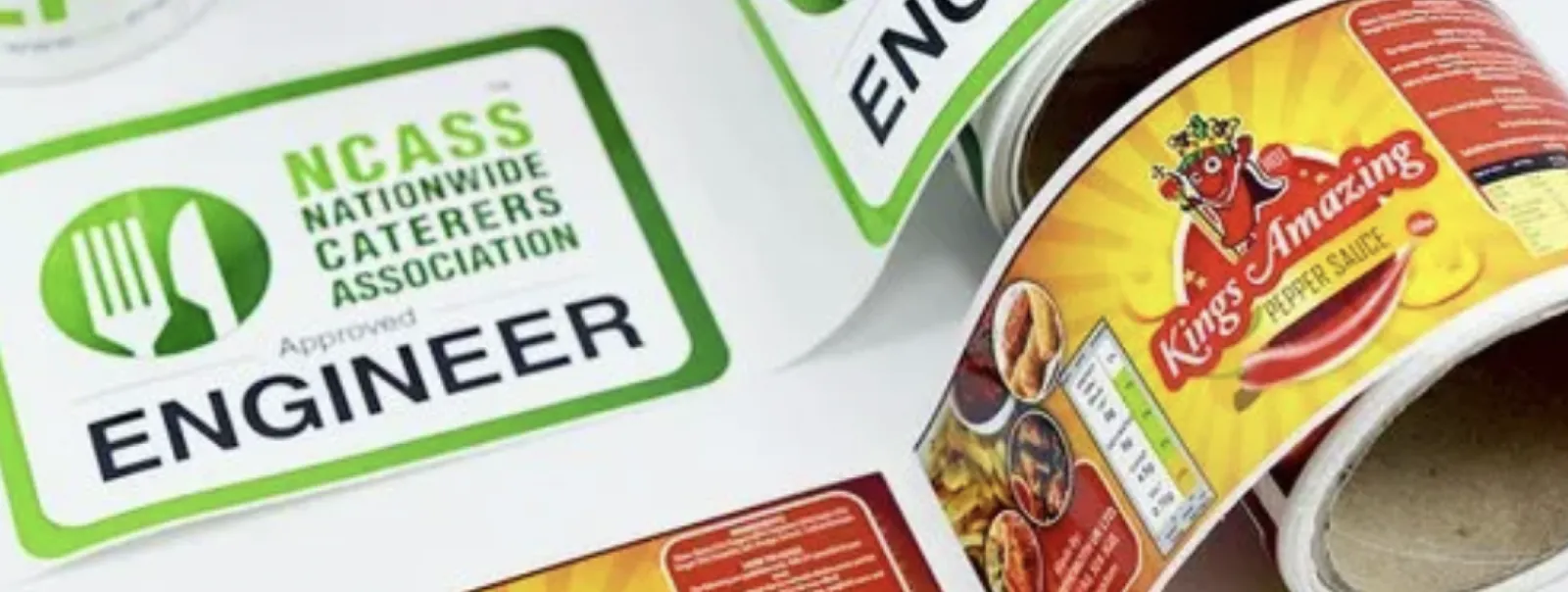
Self-Adhesive Labels: Advantages, Types, and Specifications
Self-adhesive labels are a universal solution for labeling and packaging products.
Successful Print Campaigns: 12 Global Brand Case Studies
Real examples show how companies effectively use printed products.
Holiday & New Year Corporate Printing for Business
The New Year is an important period for business, when companies have the opportunity to strengthen relations with customers, implement holiday promotions.

Shelf Wobblers: What They Are, Types, and Retail Power
Wobblers are small advertising elements that are attached to shelves, showcases or racks with goods and slightly oscillate (hence the name) due to air movement.